
Video Surveillance: Security and Operational Intelligence
May 1st, 2026 by admin
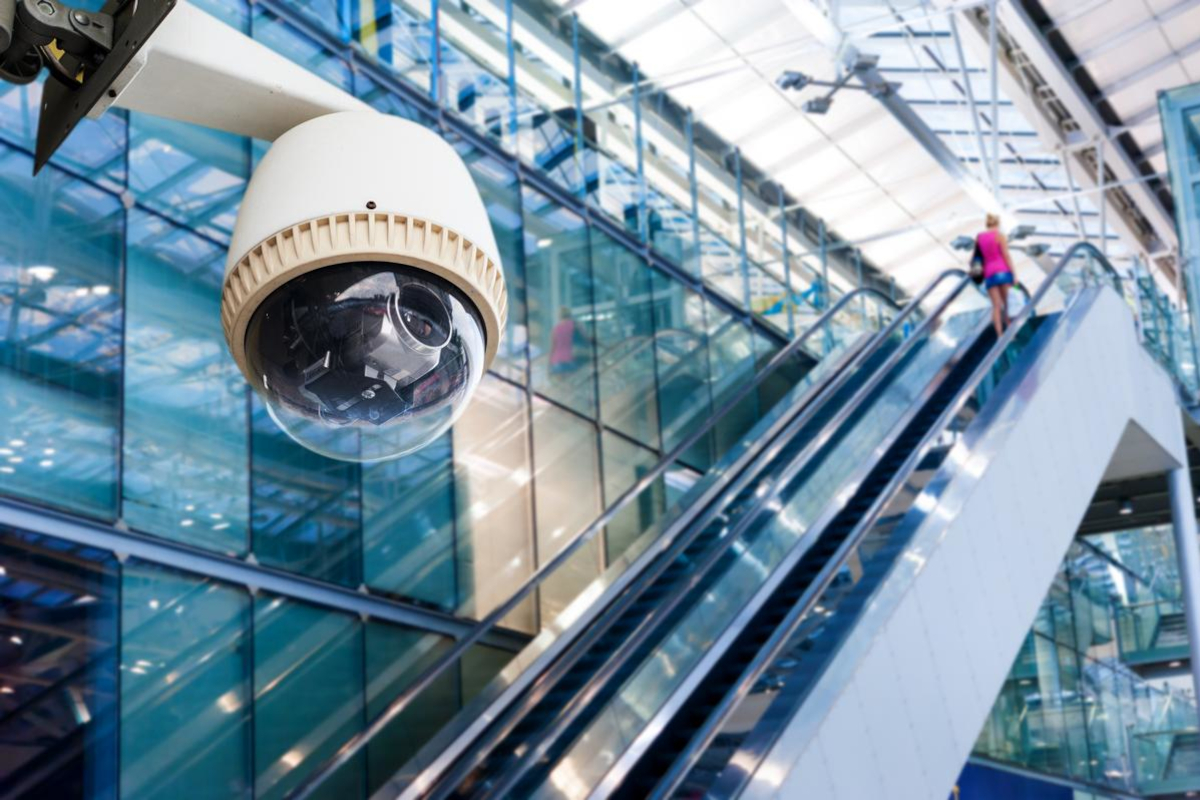
Beyond Security: How Video Surveillance Transforms Business Operations
When most business owners think about video surveillance, security naturally comes to mind first. However, modern video surveillance systems have evolved far beyond their traditional role as passive recording devices. Today's advanced systems serve as powerful tools for operational intelligence, providing valuable insights that can enhance efficiency, reduce costs, and improve overall business performance.
Understanding how to leverage video surveillance for both security and operational benefits can give your business a significant competitive advantage. Let's explore how these systems work and the comprehensive value they bring to organizations across various industries.
The Evolution of Video Surveillance Technology
Video surveillance has undergone a remarkable transformation over the past decade. Gone are the days of grainy, low-resolution footage stored on bulky VHS tapes. Modern IP-based camera systems offer crystal-clear high-definition images, intelligent analytics, and seamless integration with other business systems.
Contemporary surveillance solutions feature:
- High-resolution 4K cameras that capture every detail
- Cloud-based storage options for easy access and redundancy
- Artificial intelligence and machine learning capabilities
- Remote monitoring through mobile devices and web browsers
- Integration with access control systems and alarm platforms
- Advanced analytics for behavioral and pattern recognition
This technological advancement means businesses can now extract actionable intelligence from their surveillance systems, not just archive footage for potential security incidents.
Security Applications: Protecting Your Assets
Crime Deterrence and Investigation
The most obvious benefit of video surveillance remains its ability to deter criminal activity and provide evidence when incidents occur. Visible cameras discourage theft, vandalism, and unauthorized access to facilities. When security breaches do happen, high-quality footage enables rapid identification and prosecution of offenders.
Modern systems can send real-time alerts when unusual activity is detected, allowing security personnel or business owners to respond immediately rather than discovering problems hours or days later during routine footage review.
Liability Protection
Video evidence proves invaluable in protecting businesses from fraudulent liability claims. Whether it's a slip-and-fall incident, a workers' compensation claim, or a customer dispute, recorded footage provides an objective account of what actually occurred. This documentation can save thousands of dollars in legal fees and fraudulent settlements.
Employee and Visitor Safety
Surveillance systems contribute to a safer work environment by monitoring for potential hazards, ensuring compliance with safety protocols, and providing quick response capabilities during emergencies. In HIPAA-regulated environments, properly configured camera systems can support security requirements while respecting privacy regulations.
Operational Intelligence: The Hidden Value
Customer Behavior Analysis
Retail businesses, restaurants, and service providers can leverage video analytics to understand customer behavior patterns. Heat mapping technology shows which areas of your facility receive the most foot traffic, how long customers spend in specific zones, and which displays or products attract the most attention.
This information enables data-driven decisions about:
- Store layout optimization
- Product placement strategies
- Staffing allocation during peak hours
- Queue management to reduce wait times
- Marketing campaign effectiveness
Process Optimization and Quality Control
Manufacturing and distribution facilities use surveillance systems to monitor production lines, identify bottlenecks, and ensure quality control standards are met. Time-lapse recording can reveal inefficiencies in workflow that might otherwise go unnoticed.
Managers can review footage to identify where processes break down, where materials accumulate, or where employees struggle with specific tasks. This insight leads to targeted training, process improvements, and better resource allocation.
Compliance and Documentation
Many industries face strict regulatory requirements regarding procedures, safety protocols, and record-keeping. Video surveillance provides an automated documentation method that demonstrates compliance during audits and inspections.
For example, food service businesses can document proper food handling procedures, healthcare facilities can verify cleaning protocols, and manufacturing plants can prove adherence to safety regulations.
Performance Management and Training
While employee monitoring requires careful consideration of privacy and trust, video surveillance can serve as an objective tool for performance evaluation and training purposes when implemented transparently.
Footage of exemplary customer service interactions can be used in training sessions to show best practices. Similarly, reviewing challenging situations helps teams develop better problem-solving strategies and improve their skills.
Key Features to Look For
When selecting a video surveillance system for both security and operational intelligence, consider these essential features:
Intelligent Analytics
Look for systems with built-in analytics capabilities such as people counting, facial recognition, license plate reading, and motion detection with customizable zones. These features automate the process of extracting useful information from your video feeds.
Scalability and Integration
Choose a solution that grows with your business. The system should easily accommodate additional cameras and integrate seamlessly with your existing data networks, access control systems, and business management software.
Remote Access and Management
Modern businesses require the flexibility to monitor operations from anywhere. Ensure your surveillance system offers secure remote access through mobile apps and web interfaces, allowing you to check on your facilities whether you're across town or across the country.
Storage and Retention
Consider your storage needs carefully. Factors include the number of cameras, recording resolution, frame rate, and how long you need to retain footage. Many businesses benefit from hybrid solutions that combine on-site network video recorders with cloud backup for redundancy.
Implementation Best Practices
Strategic Camera Placement
Effective surveillance requires strategic planning. Identify critical areas such as entrances and exits, cash handling zones, inventory storage, loading docks, and customer service areas. Balance comprehensive coverage with budget considerations, focusing on high-value and high-risk locations first.
Network Infrastructure
IP cameras require robust network infrastructure to function optimally. Work with experienced professionals to ensure your structured network cabling and wireless systems can handle the bandwidth demands of multiple high-resolution video streams without impacting other business operations.
Privacy Considerations
Develop clear policies regarding video surveillance use, including where cameras are located, how long footage is retained, who has access to recordings, and how the information will be used. Transparency with employees and appropriate signage for customers builds trust while meeting legal requirements.
Professional Installation and Support
While DIY surveillance systems exist, professional installation ensures optimal camera placement, proper network configuration, and reliable long-term performance. Additionally, partnering with a provider that offers ongoing managed IT services means you'll have expert support when you need to troubleshoot issues, add cameras, or extract specific footage.
Maximizing Your Investment
To truly leverage video surveillance as a tool for both security and operational intelligence, commit to regular review and analysis. Designate team members to monitor key metrics derived from your system, such as customer traffic patterns, peak operational hours, or recurring process bottlenecks.
Many businesses install comprehensive surveillance systems but fail to utilize them beyond basic security functions. By actively engaging with the intelligence your cameras provide, you'll discover opportunities for improvement that directly impact your bottom line.
Partner with Experts for Comprehensive Solutions
Implementing an effective video surveillance system requires expertise in camera technology, network infrastructure, data storage, and ongoing management. The right partner will assess your specific security and operational needs, design a customized solution, handle professional installation, and provide continued support as your business evolves.
At Voice & Data Systems, Inc., we bring over 20 years of experience in deploying video surveillance solutions that deliver both security and operational value. Our team understands how to integrate surveillance systems with your broader technology infrastructure, including VoIP phone systems, access control, and network management.
Whether you're protecting a single location or managing security across multiple facilities, we'll design a turnkey solution that meets your requirements and budget while positioning your business to extract maximum value from your surveillance investment.
Ready to explore how modern video surveillance can enhance your security and operational efficiency? Contact our team for a comprehensive consultation and discover how the right surveillance solution can transform your business operations.
Posted in: Solutions